

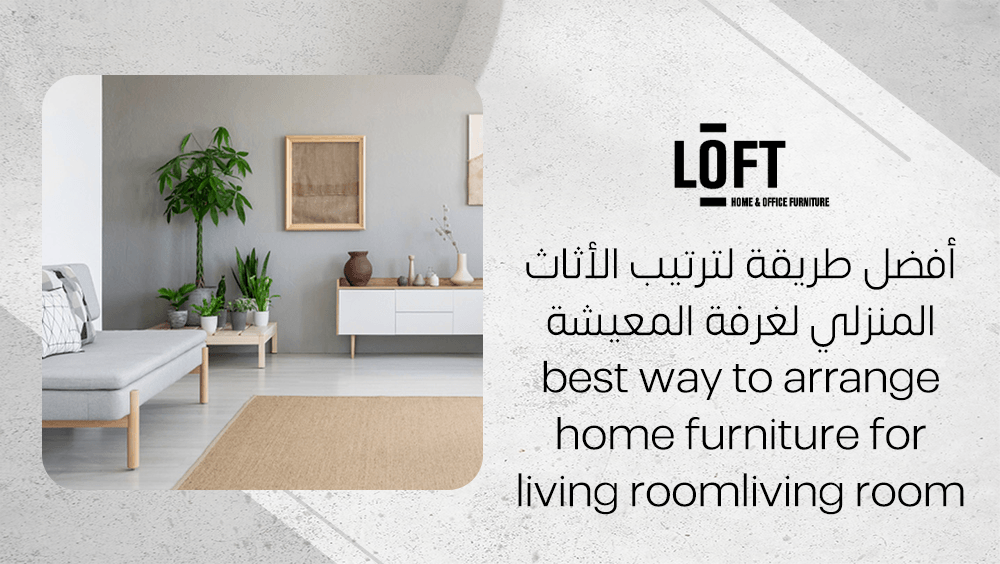
No matter how beautiful your furniture is, the struggle to make everything fit together comfortably and stylishly in the living room is universal. Many households face the same challenge — finding that perfect balance between open space, comfort, and a layout that feels inviting. The way chairs face each other, how the sofa flows with the room’s natural light, and where the coffee table rests can all make or break the feeling of harmony. Everyone wants a living room that welcomes conversation, relaxation, and personality — yet achieving that combination can feel elusive. The good news is that the best way to arrange home furniture for living room spaces doesn’t have to rely on guesswork.
What is the best way to arrange home furniture for living room?
The best way to arrange home furniture for living room revolves around balance, flow, and comfort. Start by identifying the main purpose of the space — whether it’s for relaxation, entertaining guests, or family gatherings — and let that guide your layout decisions. Position larger pieces like sofas or sectionals to define functional zones, then fill in with accent chairs, tables, and lighting that complement both the space and each other.
Creating a visually cohesive setting means scaling the furniture appropriately to the room’s dimensions, leaving enough breathing space for movement. Blending neutral tones with small accents and using well-placed rugs can tie everything together, giving the living area a modern, inviting character.
What are the core principles?
The key principles of arranging living room furniture focus on functionality and aesthetic harmony. These basics help maintain comfort while ensuring an uncluttered, welcoming atmosphere.
- Orient all main seating around a focal point to anchor the design and direct attention.
- Maintain open traffic routes that allow easy movement between spaces.
- Keep proper spacing between walls and furniture to avoid a cramped feeling.
- Limit the number of pieces according to room scale and purpose.
- Use area rugs and coffee tables to visually connect seating arrangements.
- Integrate neutral colors with subtle contrasts for a cohesive palette.
- Keep decor balanced and simple to achieve a contemporary, spacious effect.
Why choose a focal point?
A focal point gives the living room layout structure and clarity. Whether it’s a fireplace, TV, or large window, orienting the main seating around it helps establish visual balance and creates a natural gathering spot. When exploring the best way to arrange home furniture for living room, this focus becomes essential, as it unifies the furniture arrangement and guides how other elements fit into the space.
How does traffic flow affect layout?
Traffic flow determines how easily people can move through the living room. Avoid placing bulky furniture near doorways or blocking windows, as this interrupts both light and movement. By spacing seating to encourage open paths, you make the room feel more welcoming and practical for everyday use.
How do size and shape affect arrangement?
The size and shape of furniture play a huge role in how a living room feels and functions. Oversized pieces in a small area can overwhelm the space, making it look cramped, while too many items create visual clutter. The best way to arrange home furniture for living room is to match the proportions of sofas, chairs, and tables to the room’s layout. By balancing large pieces with open space and lighter elements, the room feels more inviting and better organized. In open-plan settings, positioning furniture groupings thoughtfully can help define distinct zones without using walls or partitions.
Creating harmony between furniture shape and room design also enhances comfort and flow. Rounded or compact pieces can soften sharp angles, while long, low sofas may visually extend a space. A well-balanced setup ensures that movement through the room feels natural and unobstructed.
How to scale furniture?
Getting the proportions right is key to achieving a cohesive arrangement. When considering the best way to arrange home furniture for living room, every major furniture piece should relate in scale to both the room and the other items around it. This harmony in proportions ensures balance, comfort, and a visually pleasing layout.
- Choose a sofa that leaves enough breathing room on each side rather than stretching wall to wall.
- Use a coffee table that’s about two-thirds the length of your sofa for ideal balance.
- Combine large items with smaller, lighter elements like slim side tables or open shelving.
- Leave areas of negative space to let the eye rest and to make the room feel spacious.
This approach allows each piece to stand out while maintaining visual harmony and openness.
What about small spaces?
In compact living rooms, less is truly more. Fewer, multi-functional pieces prevent overcrowding and make the layout flexible. Modular sofas, nesting tables, or ottomans with hidden storage offer versatility without consuming precious floor area. Keeping pathways clear and furniture streamlined helps the space feel larger and more breathable.
Should furniture touch the walls?
Pushing all furniture flush against the walls often makes a room look flat and smaller than it is. When thinking about the best way to arrange home furniture for living room, leaving a small gap behind sofas or chairs can create the illusion of more space and depth. However, in particularly narrow rooms, placing some pieces against the wall may be necessary—just balance it by floating one or two items to maintain openness and flow.
How do you create conversation zones?
Creating conversation zones is one of the best ways to arrange home furniture for a living room that feels cozy and connected. By positioning sofas and chairs to naturally face each other, you make it easier for everyone to talk and engage comfortably.
What is a conversation area?
A conversation area is a dedicated part of your living room where people can gather and talk easily. It usually includes grouped seating — like sofas, armchairs, or loveseats — arranged in a way that encourages interaction and eye contact without anyone having to raise their voice.
How should seating be arranged?
Seating should be positioned close enough to allow natural conversation but still offer enough space for movement. When exploring the best way to arrange home furniture for living room, arranging seating in an L-shape, U-shape, or gentle arc helps everyone face each other while maintaining a sense of openness. Ideally, seats should be about 2.5 meters apart or less, ensuring comfortable dialogue without overcrowding the area.
How to use rugs and tables?
Rugs and tables help visually anchor your conversation zone and make it more functional. A large central rug defines the space, while a coffee table brings balance and practicality. Adding side tables near chairs provides extra flexibility for drinks, books, or lighting.
- Keep seats within about 2.5 m of each other to stay connected without feeling cramped.
- Orient furniture toward the room’s focal point but ensure everyone can maintain direct eye contact.
- Choose area rugs large enough for at least the front legs of the sofas or chairs to sit on them.
- Make sure every seat has easy access to a table surface for comfort and convenience.
How do you define flow and movement?
Flow and movement in a living room describe how easily people can move through the space without bumping into furniture or feeling trapped. The best way to arrange home furniture for living room flow is to create clear, open paths where the eye and body move naturally from one area to another. Balance plays a role too—visual harmony is achieved when no single side feels too heavy or cluttered, allowing a calm and welcoming atmosphere to form.
- Keep the main walkways open and easy to navigate.
- Position large pieces like sofas or consoles to subtly guide traffic routes.
- Make sure movement from the entrance to other rooms feels effortless and logical.
How wide are walkways?
- Main walkways should be at least 80–100 cm wide to allow free and comfortable movement.
- Avoid placing chairs, lamps, or tables too close to these paths.
- When arranging furniture, visualize the natural routes people will take across the room.
- Use rugs or floor patterns to subtly mark these pathways and enhance the sense of direction.
How do you avoid clutter?
To avoid clutter, resist the urge to fill every corner with furniture or décor. When considering the best way to arrange home furniture for living room, it’s important to distribute visual weight throughout the space instead of concentrating heavy pieces on one side. Side tables, light chairs, or even plants can help balance the setup. Choose flexible, smaller tables that can be easily moved when hosting guests, and keep accessories minimal for an open, breathable atmosphere.
Where to place TV and windows?
Place large items like the sofa or entertainment unit so they naturally define walking areas without disrupting flow. Keep the TV where it can be comfortably viewed from the seating area but never at the expense of blocking natural light. Whenever possible, allow windows to remain unobstructed, as daylight enhances spaciousness and creates a lighter, more inviting living room atmosphere.
How do you use color and style for unity?
Creating unity through color and style is essential when deciding on the best way to arrange home furniture for living room spaces. Neutral, calming palettes such as gray, beige, and off-white bring a sense of openness and harmony to the room. These tones work beautifully as a foundation for your main furniture pieces, allowing you to introduce subtle contrasts with accent colors through cushions, rugs, or decorative displays. This balance ensures your living room feels cohesive without appearing too busy.
When planning your layout, think of color as a guide that directs the eye smoothly across the space. The repetition of tones across furniture and décor elements keeps the atmosphere consistent, reinforcing comfort and visual flow in your living area.
What colors are best?
Soft neutrals create a timeless backdrop that suits almost any furniture arrangement. Shades like warm gray, muted beige, or creamy off-white enhance natural light and make the room feel larger. To add depth, incorporate small touches of color — perhaps an earthy green throw, a navy cushion set, or a terracotta vase — all of which bring warmth without breaking the calm aesthetic.
How to keep it modern?
A modern living room thrives on simplicity and structure. Focus on clean, straight lines and avoid ornate designs or heavy patterns that clutter the visual space. Choose furniture pieces with minimal embellishments and smooth finishes that complement your chosen palette.
Tips:
- Stick to two or three main colors to preserve balance and unity.
- Use geometric shapes or metal accents to enhance a sleek, contemporary edge.
- Ensure there’s enough open space between furniture to maintain a light, airy layout.
- Revisit your setup occasionally to confirm it still reflects the best way to arrange home furniture for living room harmony.
How to add personality?
- Display a few personal art pieces or framed prints that reflect your taste.
- Introduce indoor plants for fresh texture and a natural touch.
- Use one or two accent décor items — perhaps a unique lamp or handcrafted bowl — to express character without over-decorating.
- Mix textures like linen, leather, or soft wool to make the space feel inviting while staying true to a modern, unified design.
What are the best coffee tables for living rooms?
Loft Furniture stands out as a contemporary home furnishings store dedicated to modern living. With a focus on quality, function, and distinctive design, the brand crafts pieces that elevate urban interiors while maximizing comfort and practicality. When it comes to choosing the best coffee tables for living rooms, Loft Furniture offers models that merge aesthetic harmony with versatility and intelligent use of space.
Tosia Coffee Table

The Tosia Coffee Table combines elegance with everyday functionality. Its round marble top—crafted from real stone with gentle natural variations—adds a refined visual texture to any seating area. Supported by a sturdy brown metal frame, the table provides lasting durability while maintaining a lightweight appearance.
An open bottom shelf offers discreet storage for books or accessories, keeping the surface clean and uncluttered. Measuring D90 x 35 cm, the Tosia is ideal for spaces that need a focal point without overpowering the room. Its circular design supports smooth movement and flow, making it perfect for both compact apartments and open-plan layouts.
Triple Coffee Table Set of 3
The Triple Coffee Table Set of 3 redefines flexibility in the living room. This sculptural trio includes three individual tables crafted from oak and metal, each varying in size and height—center: 100x100x40 cm, tall: 50x50x50 cm, and short: 80x60x45 cm. Finished in a sleek matte black, the set blends easily into modern interiors while adding visual depth and structure.
Whether grouped together as a striking centerpiece or spread across the room for multifunctional use, these tables encourage creativity in layout. Their combination of geometric precision and organic materials creates visual unity while allowing for dynamic zoning and adaptable styling.
How does Loft Furniture inspire modern interiors?
Loft Furniture Distribution in Interior Design inspires modern interiors by blending functionality with a distinct sense of urban style. Its collections are designed to adapt effortlessly to various living room configurations, offering clients guidance on the best way to arrange home furniture for living room while giving them the freedom to personalize their spaces with harmony and comfort. Each piece reflects a thoughtful balance between creativity and practicality, allowing modern homes to express individuality without sacrificing usability or long-term quality. Through this flexible and design-driven approach, Loft Furniture helps transform everyday rooms into inspiring, tailored environments that reflect each homeowner’s unique vision.
FAQ about best way to arrange home furniture for living room
What is the 2/3 rule furniture?
The 2/3 rule in furniture arrangement means placing about two-thirds of main pieces, such as seating, on one side of a room and one-third on the other to maintain balance and visual stability.
What is the 3-5-7 rule in interior design?
The 3-5-7 rule encourages grouping decorative objects in odd numbers—like three, five, or seven—to create more dynamic and visually engaging arrangements.
What is the 3 4 5 rule in interior design?
The 3-4-5 rule suggests mixing three patterns, four style periods, and five colors or textures to design a layered, harmonious, and well-balanced interior.
Conclusion
The best way to arrange home furniture for living room spaces lies in achieving balance between comfort, functionality, and style. By applying practical layout principles, arranging pieces to encourage natural interaction and flow, and choosing versatile modern furniture, you can create a cohesive and inviting living area that feels both beautiful and effortlessly livable.